Related Posts
-
 Oman Tour Packages - A Complete Guide
-
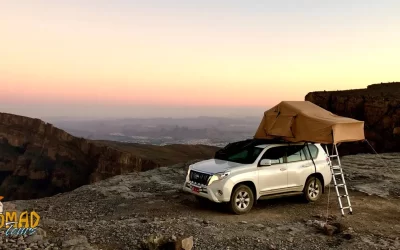 Roof Top Tents - A Guide to Camping in Oman
-
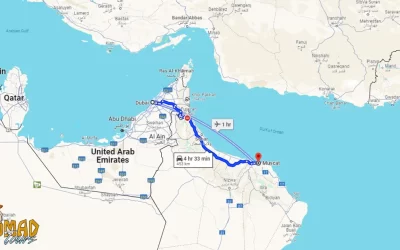 Dubai to Oman by Road - The Ultimate Guide to an Amazing Journey
-
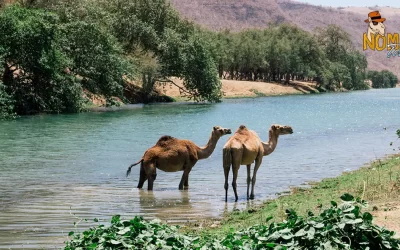 7 Wadis in Oman - Discovering the Wonders of the Wadis
-
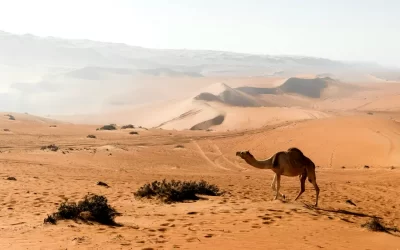 Tours of Oman: A Journey Through Desert, Mountains, and Coastline
-
 9 Best Hotels in Oman for an Unforgettable Stay
Oman has quietly become one of the most rewarding destinations in the Gulf for travellers from Southeast Asia, and as of July 2026 it is finally easy to reach. Oman Air now flies direct between Muscat and Singapore for the first time in nine years, turning what used to be a one-stop journey through Dubai or Doha into a single 7.5-hour hop.
For Singapore passport holders the entry position is unusually generous too. You can enter Oman for up to 14 days without applying for a visa at all, provided you arrive with confirmed accommodation and a return ticket. Combined with the new direct route, that makes Oman one of the simplest long-haul trips a Singaporean can plan.
What Oman is not, however, is a country you can see from a tour bus. The forts, wadis, dunes and mountain roads that make it worth the flight are spread across an area larger than the United Kingdom, and public transport between them barely exists. Renting a car is not a nice-to-have here. It is the trip.
This guide covers everything a Singapore-based traveller needs to plan the trip: the new flight route, the visa position, what things cost in Singapore dollars, when to go, and how to handle the driving. I will be direct about the parts that trip people up, because most of them are avoidable.
Singapore to Oman at a Glance
If you only read one section, read this one:
• Flight time: approximately 7 hours 30 minutes direct
• Direct airline: Oman Air, four days a week (Thursday, Friday, Saturday, Sunday)
• Visa: no visa required for stays up to 14 days on a Singapore passport
• Time difference: Singapore is 4 hours ahead of Oman
• Currency: Omani Rial (OMR) — one of the strongest currencies in the world
• Best months: October to April
• Driving side: right-hand side, the opposite of Singapore
• Getting around: self-drive is effectively essential — rent a car in Oman
• Licence: International Driving Permit required alongside your Singapore licence
Flights from Singapore to Oman
Until mid-2026 there was no direct option, and Singaporeans reached Muscat via a connection in Dubai, Doha or Abu Dhabi. That changed on 2 July 2026.
Oman Air direct: Muscat to Singapore
Oman Air relaunched its Singapore route after a nine-year absence, and it is now the only non-stop service between the two cities. The details matter if you are planning around it:
• Operates four days a week: Thursday, Friday, Saturday and Sunday
• Aircraft: Boeing 737 MAX, with 12 Business Class and 150 Economy seats
• Departs Muscat 08:00, arrives Singapore 19:50
• Departs Singapore 20:50, arrives Muscat 00:10 the following day
• Flight time is roughly 7 hours 30 minutes in each direction
The late-evening departure from Changi is genuinely convenient — you can work a full day, fly overnight and land in Muscat after midnight. Bear in mind that a 00:10 arrival means you will want your accommodation and transport arranged in advance rather than sorted on arrival.
Oman Air has also joined the one world alliance, which means lounge access, mileage accrual and smoother connections if you already hold status with a member airline.
One-stop routings
The four-day-a-week schedule will not suit every itinerary, and one-stop options remain plentiful and often cheaper:
- Emirates or flydubai via Dubai — the highest-frequency option
- Qatar Airways via Doha
- Etihad via Abu Dhabi
- Singapore Airlines to Dubai, then a short connection onward to Muscat
If you route through the UAE and have time to spare, there is a genuinely good alternative: fly into Dubai, pick up a vehicle there and drive into Oman. We cover that route in detail in our Dubai to Oman road trip guide, and we run a dedicated UAE to Oman car rental service with the cross-border paperwork handled for you. It adds a day each way, but the drive through the Hajar mountains is a highlight in its own right.
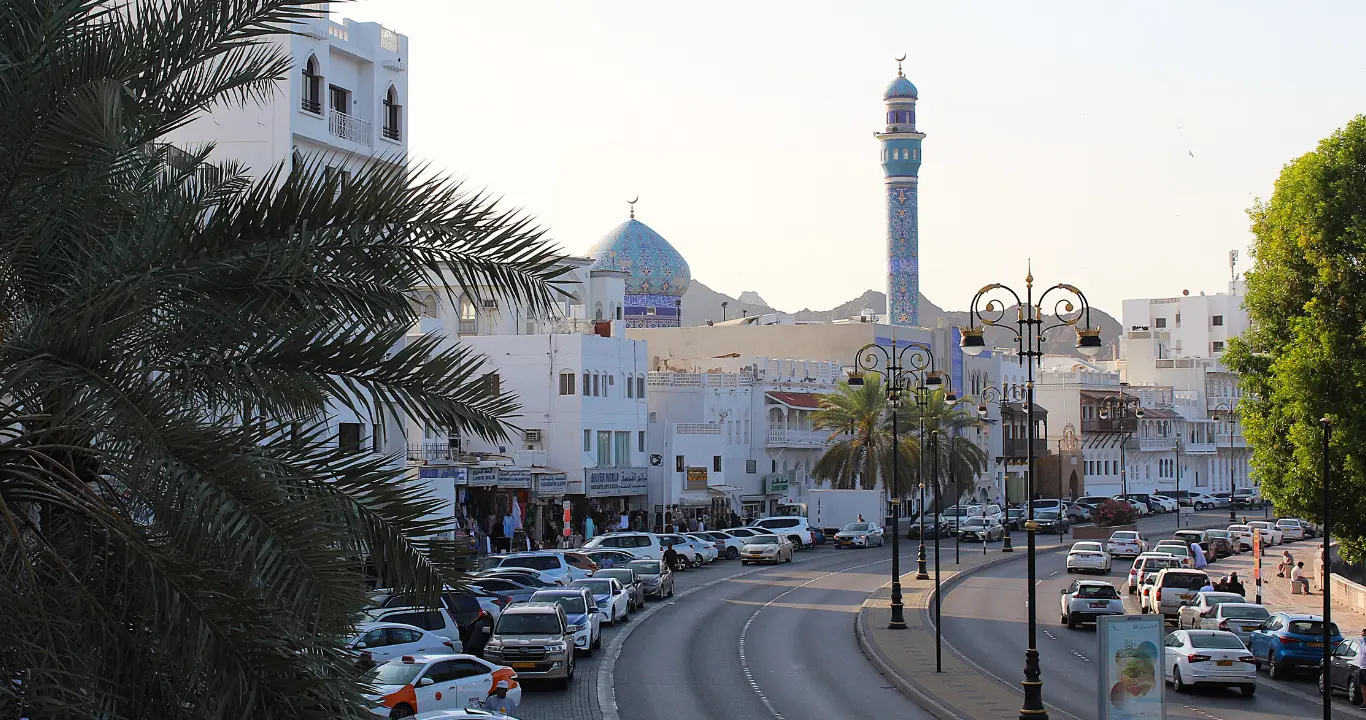
Singapore to Oman flight time
Direct, the flight is about 7 hours 30 minutes. With a single stop in the Gulf, budget 10 to 13 hours door to door depending on the connection. The distance between Singapore and Muscat is roughly 5,700 km.
When flights are cheapest
Oman's tourist season runs opposite to its cheapest fares. Broadly:
• Cheapest: May to August — but Muscat regularly exceeds 40°C, so this is only sensible if you are heading to Salalah
• Best value: late September, early October and late April — pleasant weather, shoulder-season pricing
• Most expensive: December and January, plus Eid periods
Book two to three months ahead for the December to February window. The direct route only carries 162 seats per flight, and four flights a week is not a lot of capacity.
Time Difference Between Singapore and Oman
Singapore is UTC+8. Oman is UTC+4. Singapore is therefore 4 hours ahead of Oman, all year round — neither country observes daylight saving, so the gap never changes.
• 9:00 AM in Singapore = 5:00 AM in Muscat
• 12:00 PM in Singapore = 8:00 AM in Muscat
• 6:00 PM in Singapore = 2:00 PM in Muscat
• 10:00 PM in Singapore = 6:00 PM in Muscat
The practical upshot: flying west you gain the day back, and jet lag is mild in that direction. Most travellers find they adjust within 24 hours.
Oman Visa Requirements for Singapore Passport Holders
This is the section most travellers get wrong, usually by assuming Oman is harder to enter than it is.
Do Singaporeans need a visa for Oman?
No — not for a short trip. Singapore passport holders can enter Oman for tourism for up to 14 days without a visa, provided you can show two things on arrival:
• A confirmed hotel or accommodation reservation
• A return or onward ticket
That is the whole requirement. There is no fee, no online application and no embassy visit. Have both documents accessible on your phone at immigration, because you may be asked for them.
Two caveats worth stating plainly. The exemption covers tourism only — business travel and work have separate requirements. And entry rules in the Gulf change at short notice, so confirm your position with the Royal Oman Police or the Omani Embassy in Singapore close to departure rather than relying on any guide, including this one.
Staying longer than 14 days
If your trip runs beyond 14 days — and for a proper Oman road trip, many do — you will need a tourist visa. The standard route is the Royal Oman Police e-visa portal, and the common options are:
• 10-day tourist visa: suitable for short trips, single entry
• 30-day tourist visa: the usual choice, single entry, around OMR 20
• One-year multiple-entry visa: for repeat visitors, with each stay capped at 30 days
Processing is typically within a few working days, though it can be same-day. Apply at least a week ahead to be comfortable.If you would rather not deal with the portal yourself, we can arrange it, see Apply for an Oman Tourist Visa.
Required documents
Whichever route you take, have these ready:
• Passport valid for at least six months beyond your arrival date
• Confirmed accommodation booking covering your stay
• Return or onward flight ticket
• A recent passport-style photograph, if applying for an e-visa
• Proof of sufficient funds, occasionally requested

Oman Tourist/Visit Visa Service
Fast, Easy & Secure Application Process
Money: Singapore Dollars to Omani Rial
The Omani Rial is one of the strongest currencies in the world, which catches people out. One Rial is worth several Singapore dollars, so prices look deceptively small until you convert them. A meal listed at OMR 8 is not cheap.
The Rial divides into 1,000 baisa, and you will see prices written as OMR 2.500 rather than OMR 2.50. Read the decimals carefully.
What things cost
Rough daily budgets per person, excluding flights:
• Budget: OMR 25–40 — guesthouses, self-catering, shared car
• Mid-range: OMR 60–100 — three or four-star hotels, restaurant meals, own rental car
• Comfortable: OMR 150+ — resorts, guided excursions, premium 4x4
Specific costs worth knowing:
• Petrol: among the cheapest in the world — filling a 4x4 costs a fraction of what it does in Singapore
• Bottled water and basic groceries: inexpensive
• Restaurant meal, mid-range: OMR 5–12 per person
• Hotel, three-star, Muscat: OMR 25–50 per night
• Entry to forts and heritage sites: OMR 1–5
Cards are widely accepted in Muscat, Nizwa and Salalah. Carry cash for rural fuel stations, small restaurants, souq purchases and wadi parking attendants. ATMs are common in towns and scarce once you head into the interior.
Because fuel is so cheap and distances are long, driving yourself is dramatically more economical than any alternative. This is the single biggest factor in keeping an Oman trip affordable.
Best Time to Visit Oman from Singapore
Oman has a genuine season, and ignoring it will ruin the trip. Coming from Singapore's steady 31°C, the summer heat here is a different order of magnitude.
October to April — the season
Daytime temperatures of 25–32°C, cool evenings, clear skies. This is when the wadis, mountains and desert are all comfortable. December and January are the peak, and the mountains can drop close to freezing overnight — pack a jacket, which feels absurd when leaving Singapore but is necessary at Jebel Shams.
May to September — the heat
Interior temperatures routinely pass 45°C. Hiking and desert camping become genuinely unsafe in the middle of the day. Prices drop for a reason.
The Salalah exception: Khareef
Between roughly June and September, the Dhofar region in Oman's far south catches the monsoon and transforms. The hills around Salalah turn green, waterfalls appear, and temperatures sit in the mid-20s while the rest of the country bakes. It is the one time of year Gulf travellers head south in numbers, and it is a striking contrast if you have only seen desert Oman.
Salalah is roughly a 10-hour drive from Muscat, or a 90-minute domestic flight. If Khareef is your reason for coming, fly and pick up a car there instead of driving down.
Is Oman Safe for Travellers from Singapore?
Yes. Oman consistently ranks among the safest countries in the Middle East and, by most measures, among the safer countries in the world. Violent crime against tourists is rare, petty theft is uncommon, and Omani hospitality towards visitors is genuine rather than transactional.
Singaporean travellers tend to find the transition easy — like Singapore, Oman is orderly, clean and low-crime. The differences are cultural rather than security-related.
What to wear
Oman is more conservative than Dubai and considerably more so than Singapore. Dress modestly in public:
• Women: shoulders and knees covered. A scarf is needed to enter mosques, not otherwise. Swimwear is fine at resort pools and private beaches, not at public ones or in wadis
• Men: t-shirts and long shorts are acceptable in Muscat; avoid going shirtless away from a pool
• At wadis, most locals swim clothed — a t-shirt and shorts over swimwear is the comfortable norm
Alcohol
Alcohol is legal but tightly restricted. It is served in licensed hotels and some restaurants, and is not sold in ordinary shops. Drinking in public is prohibited and the drink-driving limit is effectively zero, with severe penalties. Do not carry alcohol in the car between regions.
Emergencies
• Royal Oman Police, ambulance and fire: 9999
• Save your accommodation's location pin offline before setting out
• Our vehicles include 24/7 roadside assistance across Oman — details on our contact page
If you have questions about a specific route or area, ask us directly — we drive these roads year-round.
Getting Around Oman: Why Self-Drive Wins
Oman is roughly 310,000 square kilometres — over four hundred times the size of Singapore — with a population smaller than Singapore's. The distances are real and the public transport network is not designed for tourists.
• Intercity buses connect the main towns but not the sights, and run infrequently
• There are no trains
• Taxis between regions are expensive and must be negotiated
• Ride-hailing works in Muscat and barely beyond it
• Organised tours cover the highlights on a fixed schedule at several times the cost
Almost everything worth seeing in Oman — the wadis, the forts, the dunes, the mountain roads — sits somewhere a bus does not go. A wadi you can reach at 7am before the crowds is a completely different experience from one you reach at 11am on a coach.
The road network is excellent. Oman has invested heavily in highways, and the main routes between Muscat, Nizwa, Sur and Salalah are smooth, well-signposted, and marked in both Arabic and English. If you can drive in Singapore, you can drive in Oman. See our full Oman car rental guide for the practicalities.
Rent a Car in Muscat
Easy, Flexible & Hassle-Free Car Rental
Renting a Car in Oman as a Singaporean
Do you need an International Driving Permit?
Yes. This is the one piece of admin you must do before leaving Singapore, and it is the most common reason travellers get caught out at the rental desk.
Oman requires non-GCC licence holders to carry a valid International Driving Permit alongside their home licence. Your Singapore licence on its own is not sufficient to rent or legally drive. An IDP obtained in Singapore is valid for driving in Oman for up to 90 days from your date of entry.
Apply through the Automobile Association of Singapore before you travel. It is inexpensive, takes very little time, and cannot be obtained once you have landed in Muscat.
• Bring: your Singapore driving licence AND your International Driving Permit — both, not either
Required documents
• Passport
• Singapore driving licence
• International Driving Permit
• Minimum age is generally 22, with some vehicle categories set higher
• A credit card for the security deposit, where a deposit applies
Do you need a 4WD?
It depends entirely on where you are going, and the honest answer is that most travellers over-specify.
For Muscat, the coastal highways, Nizwa and the main forts, a sedan or small SUV is perfectly adequate and cheaper to run.
You genuinely need a proper 4x4 for:
• Jebel Shams and Jebel Akhdar — the mountain roads have police checkpoints that turn back 2WD vehicles
• Wahiba Sands — dune driving requires 4WD and tyre deflation
• Rough wadi access tracks, including the approach to several of the best swimming spots
• Any wild camping away from graded roads
If your itinerary includes the mountains or the desert — and for a first trip it probably should — book a big 4WD. Our Jeep Wrangler fleet is the most popular choice for exactly this. We have written a full comparison in best 4x4 rental in Oman.
Also available: pickup trucks, luxury vehicles, and monthly rental for longer stays. Browse the full fleet.
Insurance, deposit and mileage
Three things to check on any Oman rental, ours or anyone else's:
• Off-road cover. Most rental insurance in the region is void the moment you leave asphalt — which excludes precisely the driving you came for. Our rentals include off-road cover as standard, but confirm this wherever you book. Off-road driving is permitted in 4WD vehicles only.
• Mileage allowance. Oman distances are long and daily caps are easy to breach. Check the included allowance and the per-kilometre excess before you sign.
• Deposit. We do not require a credit card to reserve a vehicle. Deposit terms vary by category and are set out at booking.
Full details on our insurance plans page.
Airport pickup in Muscat
The direct Oman Air service lands at 00:10. That is not the hour to be negotiating a taxi into the city, and it is the strongest argument for arranging your vehicle in advance.
We operate an Airport Delivery Point at Muscat International, plus collection at Shatti Al Qurum. Salalah collection is available too.
Office hours are 08:30 AM - 01:00 PM - 02:00 PM - 06:00 PM, Saturday to Thursday, closed Fridays. Arrange late arrivals ahead of time. More detail in our guide to car rental at Muscat Airport.
Camping and Rooftop Tents
Oman is one of the world's great wild camping destinations. Camping is legal in most unfenced open areas, the nights are clear, and beaches, wadi mouths and desert edges are all fair game. For many visitors it is the defining part of the trip.
If that appeals, you do not need to bring anything. We fit rooftop tents to our 4x4s — the double tent measures 140 cm by 190 cm, sleeps two adults, and mounts to any of our SUVs. Setup takes minutes and you are sleeping above the ground, away from insects and sand.
Also available: tailgate tents for extra covered space, and full camping equipment — sleeping bags, sheets, mats, chairs, a table and rechargeable lighting. See the complete 4x4 camping and tents range.
For Singapore travellers with limited time, a practical hybrid works well: hotels in Muscat at either end, two or three nights camping in the middle at Wahiba Sands and a coastal spot near Wadi Shab.
Things to Do in Oman
A shortlist of what actually justifies the flight, rather than everything that exists.
• Sultan Qaboos Grand Mosque, Muscat — open to non-Muslim visitors in the mornings; the prayer hall carpet and chandelier are extraordinary
• Muttrah Souq and Corniche — the old trading heart of Muscat, best at dusk
• Wadi Shab — a boat crossing, a 45-minute walk, then a swim through a canyon into a hidden waterfall cave
• Wadi Bani Khalid — larger, more accessible pools; easier for families
• Wahiba Sands — proper orange dunes, best experienced overnight
• Jebel Shams — Oman's highest peak and the rim of its own Grand Canyon
• Jebel Akhdar — terraced villages, rose gardens in spring, genuinely cold at night
• Nizwa Fort and the Friday goat market — go early, before 8am
• Bahla Fort — UNESCO World Heritage, mud-brick, vast
• Ras Al Jinz — green turtles nesting through the night, year-round
• Musandam — fjord-like khors and dhow cruises, reached via the UAE
• Salalah and Dhofar — green hills, frankincense, waterfalls during Khareef
Suggested Self-Drive Itineraries
Three routes built around the Oman Air schedule, which lands you in Muscat after midnight and departs in the morning.
5 days: Muscat and the north
The realistic minimum, and it works well over a long weekend plus two days of leave.
• Day 1: Arrive Muscat overnight, collect the car, sleep. Afternoon: Grand Mosque, Muttrah Souq, Corniche
• Day 2: Drive to Nizwa (1.5 hrs). Nizwa Fort, souq, then Bahla and Jabreen Castle
• Day 3: Jebel Akhdar or Jebel Shams — 4WD required. Overnight in the mountains
• Day 4: Descend to the coast for Wadi Shab, then Ras Al Jinz for turtles
• Day 5: Coastal drive back to Muscat (3 hrs), return the car, evening flight
7 days: the classic loop
The itinerary we would recommend to most first-time visitors.
• Days 1–2: Muscat — mosque, souq, Bait Al Zubair, Qurum beach
• Day 3: Nizwa, Bahla, Jabreen. Overnight Nizwa
• Day 4: Jebel Shams — canyon rim walk. Overnight at altitude
• Day 5: Wahiba Sands — dune driving, camp overnight under the stars
• Day 6: Wadi Bani Khalid, then Sur and Ras Al Jinz
• Day 7: Wadi Shab in the morning, coastal return to Muscat
10 days: adding the south
Enough time to include Dhofar without rushing.
• Days 1–7: as the classic loop above
• Day 8: Fly Muscat to Salalah (90 mins) and pick up a car there, or drive the coast road via Duqm across two days
• Day 9: Salalah — Al Mughsail beach, blowholes, frankincense souq, Wadi Darbat
• Day 10: Empty Quarter edge or Mirbat, then fly back to Muscat for the connection home
Driving times are generous rather than optimistic — Omani roads invite stopping, and you will.
Destinations Worth the Drive
Muscat
Low-rise, white, hemmed between mountains and sea. No skyscrapers — building height is restricted by law, which makes it feel unlike any other Gulf capital. Two or three days is right.
Wadi Shab
The most photographed wadi in Oman and still worth it. Park, take the short boat across, walk 45 minutes along the gorge, swim through a narrow gap into a cave with a waterfall inside. Go early. Bring shoes you can swim in and a dry bag.
Wahiba Sands
Around 12,500 square kilometres of dunes reaching 100 metres. Deflate tyres to roughly 15–18 psi before entering the soft sand, and never drive the dunes alone. Desert camps handle the logistics if you would rather not drive in yourself.
Jebel Shams
Oman's highest mountain at just over 3,000 metres, with a canyon that genuinely earns the Grand Canyon comparison. The balcony walk along the rim is one of the best short hikes in the Gulf. 4WD only — there is a checkpoint, and it is enforced.
Nizwa
The former capital and the cultural centre of the interior. The fort's circular tower is the landmark; the Friday livestock market is the experience. Both are best before the day heats up.
Salalah
A different country, effectively. Coconut palms, banana plantations, frankincense trees, and during Khareef a green landscape with waterfalls that visitors from the Gulf travel specifically to see.
Musandam
The Omani exclave north of the UAE, reached by road through Dubai. Sheer cliffs dropping into inlets, dolphins, and dhow cruises. Pairs naturally with a UAE stopover — see our UAE to Oman car rental page for the cross-border arrangements.
Where to Stay
Accommodation is one area where booking ahead matters, because good options in the interior are limited.
• Muscat: the full range, from guesthouses in Ruwi to the Chedi and Shangri-La. Staying near Shatti Al Qurum or Muttrah puts you close to most sights
• Nizwa: a handful of mid-range hotels and heritage guesthouses — book ahead, especially Thursday nights
• Jebel Akhdar / Jebel Shams: Alila and Anantara at the premium end, plus simple mountain lodges. Very limited supply
• Wahiba Sands: desert camps from basic to luxury, or camp yourself with a rooftop tent
• Sur and the east coast: modest hotels, convenient for turtle watching
• Salalah: resorts along the coast; book far ahead for Khareef
Several of our pickup points are Muscat hotels, so you can collect the vehicle where you are already staying.
Driving in Oman: Rules and Road Conditions
The single biggest adjustment for a Singaporean driver: Oman drives on the right, and the driver sits on the left. Give yourself a quiet half hour to adapt before taking on Muscat traffic.
• Speed limits: 120 km/h on highways, 80–100 km/h on dual carriageways, 40–60 km/h in towns
• Cameras are everywhere and fines are steep. Many vehicles beep automatically at 120 km/h
• Seatbelts are mandatory for all occupants; phone use while driving is heavily fined
• Drink-driving: effectively zero tolerance, with custodial sentences
• Fuel: cheap and widely available on main routes; fill up before long interior stretches
• Roundabouts are common and traffic already on the roundabout has priority
• Camels and goats wander onto rural roads. Avoid driving at night outside cities — this is the most underrated risk in Oman
• Flash floods: never drive into a flooded wadi crossing. Water depth is deceptive and vehicles are lost this way every year
Google Maps works well for main routes. Download offline maps before heading into the mountains or desert, where signal disappears.
Driving outside Oman in a rental requires prior arrangement — if the UAE is part of your plan, tell us in advance or book the UAE to Oman option.
Frequently Asked Questions About Singapore to Oman
Q#1 How long is the flight from Singapore to Oman?
Ans: The Oman Air direct service between Singapore Changi and Muscat takes approximately 7 hours 30 minutes. It operates four days a week — Thursday, Friday, Saturday and Sunday — departing Singapore at 20:50 and arriving in Muscat at 00:10 the following day. One-stop routings via Dubai, Doha or Abu Dhabi take 10 to 13 hours in total.
Q#2 Do Singaporeans need a visa for Oman?
Ans: No, not for short trips. Singapore passport holders can enter Oman visa-free for up to 14 days for tourism, provided you have a confirmed accommodation booking and a return ticket. For longer stays, apply for a tourist visa through the Royal Oman Police e-visa portal, or we can arrange it for you. Entry rules change, so confirm before departure.
Q#3 Does Oman Air fly direct to Singapore?
Ans: Yes. Oman Air relaunched the Muscat–Singapore route on 2 July 2026 after a nine-year absence. It is the only non-stop service between the two cities, operated by Boeing 737 MAX with 12 Business and 150 Economy seats. Oman Air is a oneworld member, so mileage and lounge benefits apply if you hold status with a member airline.
Q#4 Is Oman expensive for Singapore travellers?
Ans: Less than most people expect, with one caveat. The Omani Rial is very strong, so listed prices look small but convert to more than you assume — always do the conversion. Against that, fuel is among the cheapest in the world and distances are long, so a self-drive trip is far more economical than tours or intercity taxis. Budget travellers manage on OMR 25–40 a day; mid-range trips run OMR 60–100 per person per day excluding flights.
Q#5 Can I drive in Oman with a Singapore licence?
Ans: Not on its own. Oman requires non-GCC licence holders to carry a valid International Driving Permit together with their home licence. Obtain your IDP from the Automobile Association of Singapore before you travel — you cannot get one after arriving. It is valid for driving in Oman for up to 90 days from your date of entry. Bring both documents to the rental desk.
Q#6 What is the time difference between Singapore and Oman?
Ans: Singapore is 4 hours ahead of Oman. Singapore is UTC+8 and Oman is UTC+4, and neither observes daylight saving, so the difference is constant year-round. When it is 6:00 PM in Singapore it is 2:00 PM in Muscat.
Q#7 Is Oman safe for solo and female travellers?
Ans: Oman is regarded as one of the safest countries in the Middle East, and solo travellers including women generally report feeling comfortable. Crime against tourists is rare. Dress modestly — shoulders and knees covered in public — and carry a scarf for mosque visits. The main practical risks are environmental rather than criminal: heat, flash floods in wadis, and animals on rural roads after dark. Emergency services are on 9999.
Q#8 Do I need a 4WD in Oman?
Ans: Only for part of the country, though most first-time itineraries include that part. Muscat, the coastal highways, Nizwa and the main forts are all fine in a sedan or small SUV. A proper 4x4 is required for Jebel Shams and Jebel Akhdar, where checkpoints turn back 2WD vehicles, and for Wahiba Sands and rough wadi tracks. If your route includes the mountains or the desert, book a 4x4. Note that off-road driving is permitted in 4WD vehicles only.
Conclusion
Oman has spent years as the Gulf destination people meant to visit and never quite did, largely because getting there took a connection and planning it took effort. The direct Oman Air route has removed the first obstacle, and the 14-day visa-free allowance for Singapore passports removes most of the second.
What remains is the part worth getting right: how you move around once you land. Oman rewards the traveller with a vehicle and a loose plan more than almost anywhere else in the region. Here is the checklist:
• Travel between October and April, unless you are heading to Salalah for Khareef
• Apply for your International Driving Permit in Singapore before you fly — you cannot get one in Oman
• Carry proof of accommodation and a return ticket to use the 14-day visa-free entry
• Book a 4x4 if your route includes Jebel Shams, Jebel Akhdar or Wahiba Sands
• Confirm your rental includes off-road cover — most regional policies exclude it
• Check the mileage allowance; Omani distances are longer than they look
• Arrange airport collection in advance if you are on the 00:10 arrival
• Download offline maps before heading into the mountains or desert
• Never drive into a flooded wadi, and avoid rural roads after dark
• Carry cash for fuel stations and souqs outside the main cities
When you are ready, browse our fleet, or start a reservation. No credit card is required to book, off-road cover is included, and we can have the vehicle waiting at Muscat airport when you land. If you would rather talk it through first, get in touch — we are happy to help you shape the route before you commit to anything.